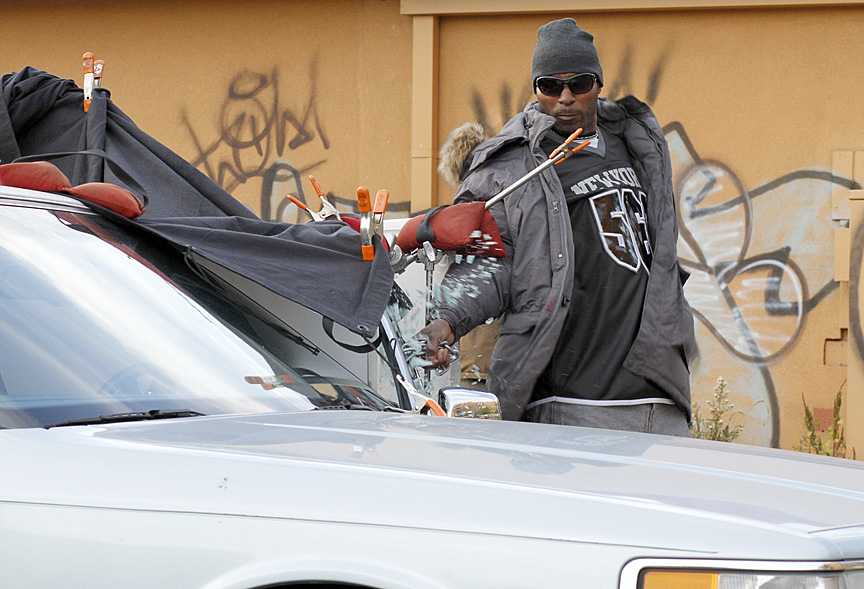
It’s a role without any speaking lines, an unsavory part that some actors would treat as a yawn, a walk-on. But as small as this part is, Q is critical to the storyline — and Theo Williamson walked onto the set prepared to play. Once the hooded jacket was on him, he skulked and paced the set. In one scene when he — a non-smoker — is required to smoke, he pulled out his own pack of Kools, his own butane lighter and lit up; no waiting on the art department for props.
In this shot, you see the final moment when he breaks the car window with a length of chain and a lock; it was the only car window we had (heck, because it’s the only CAR we have).
At one point, as we were rigging the door, everyone sat bolt upright as we heard the sound of breaking glass. In the abandoned lot, Theo had found a television set. As we all sat there seeing him bent over the shattered picture tube, he looked up — and without smiling, without breaking character — strode back to the set. He was now ready for the real window.
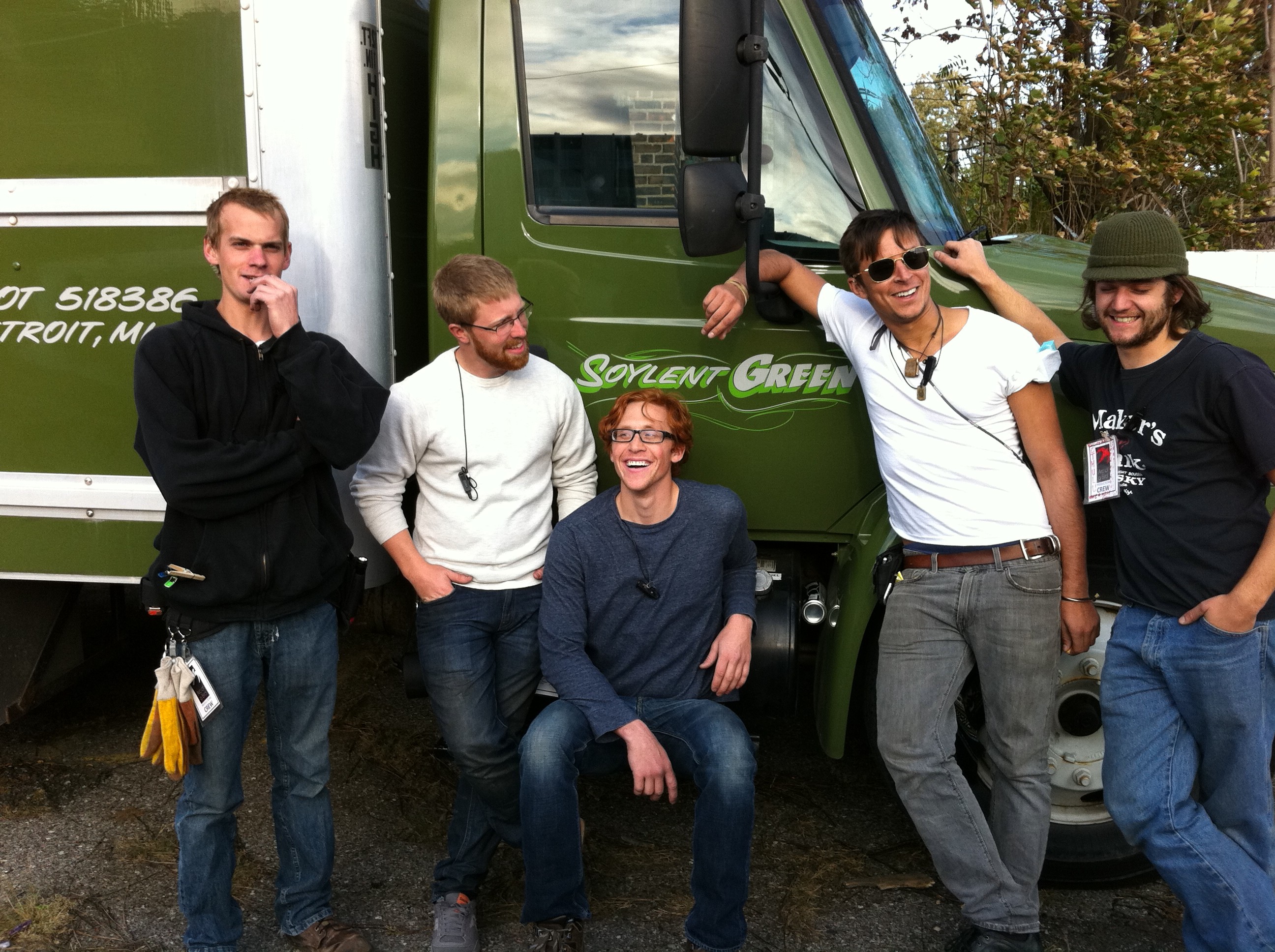
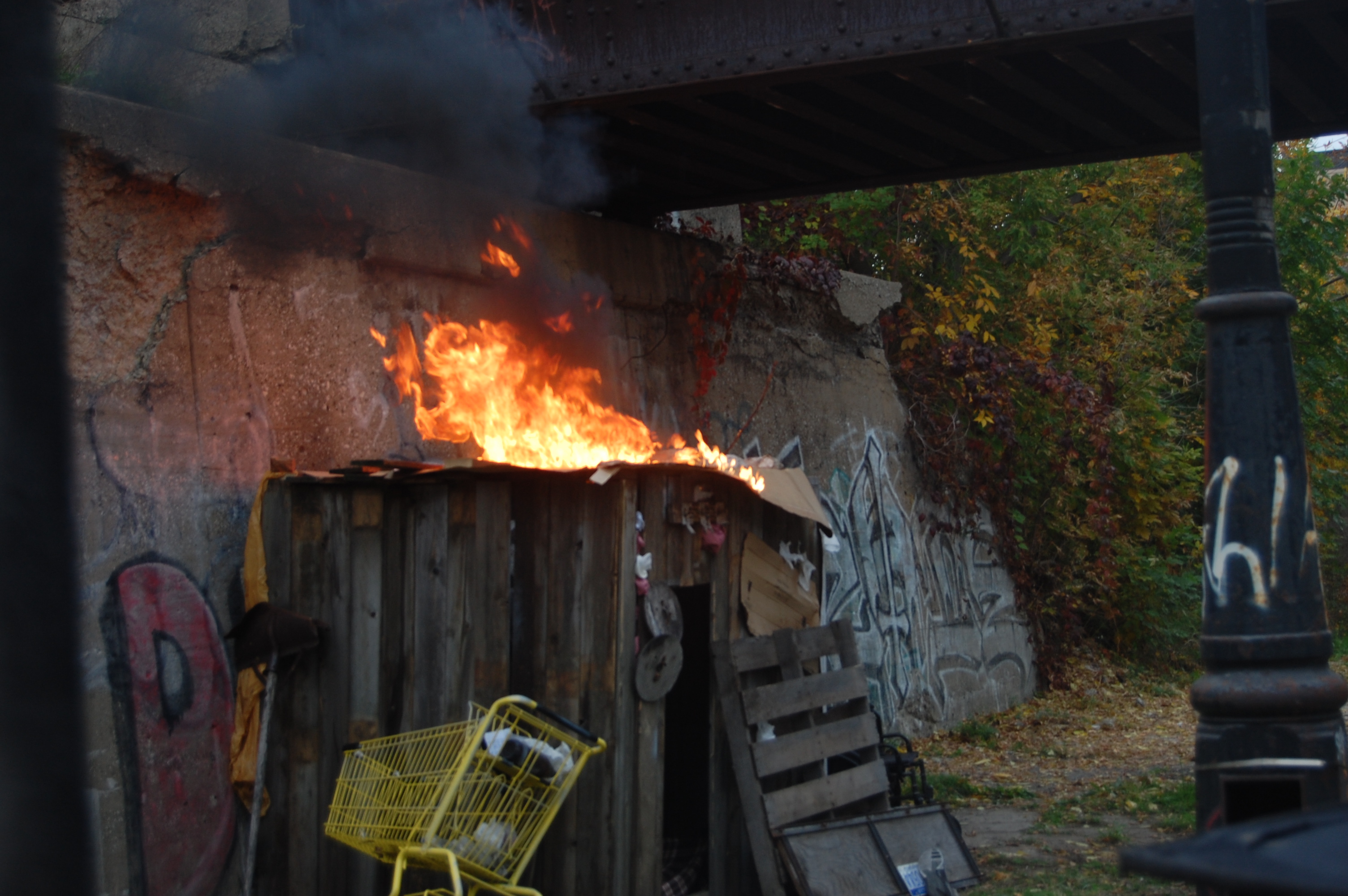
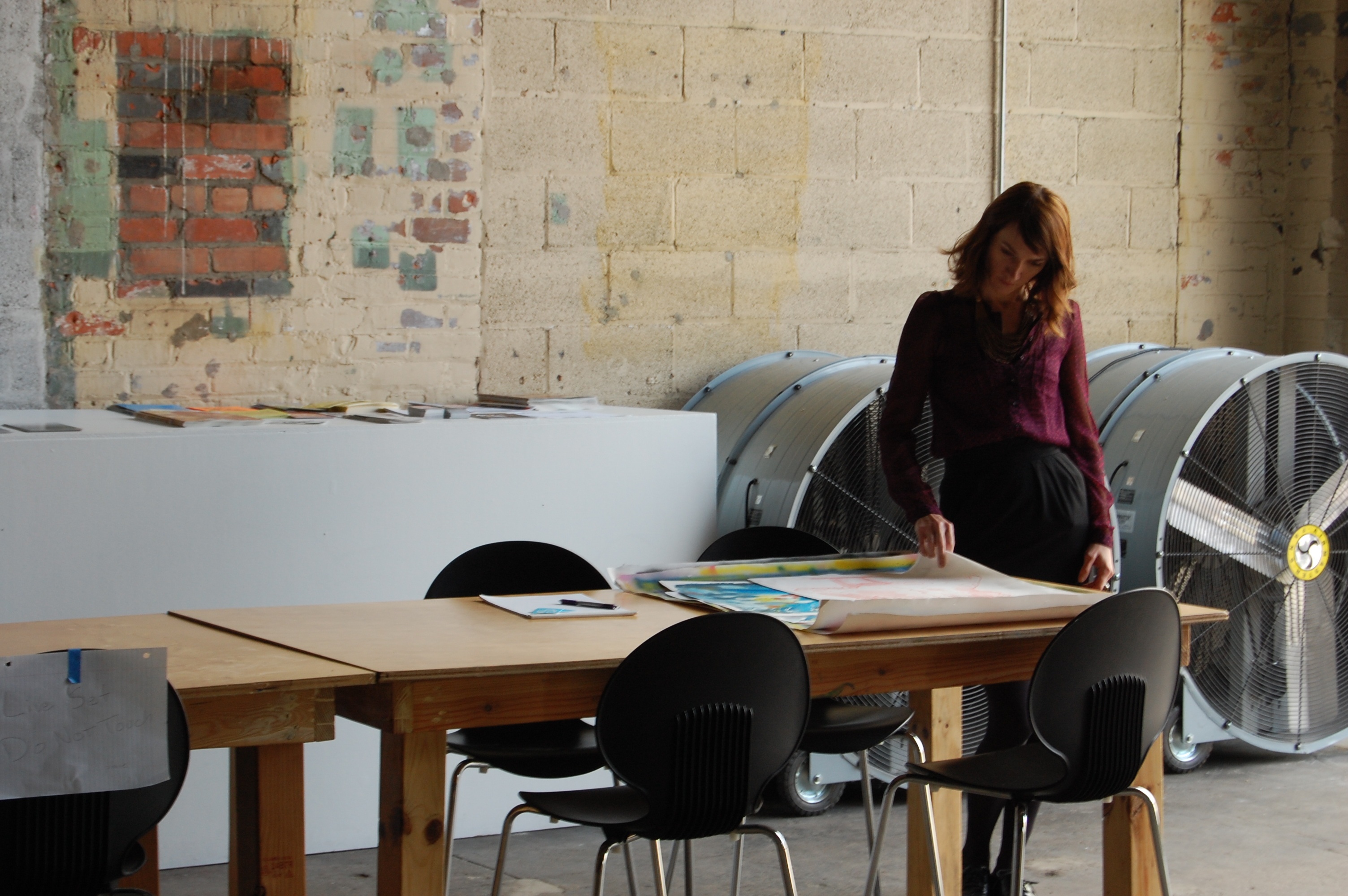
 Thursday night/Friday morning marked the first night shoot of the production. Call time was 7 PM and we went until 6 this morning.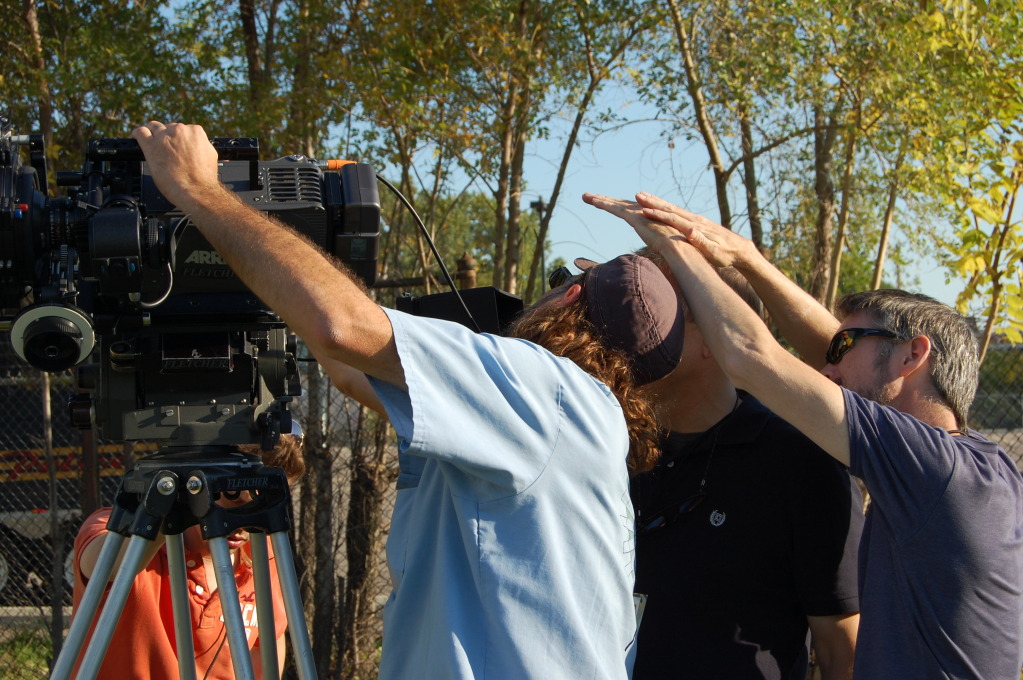
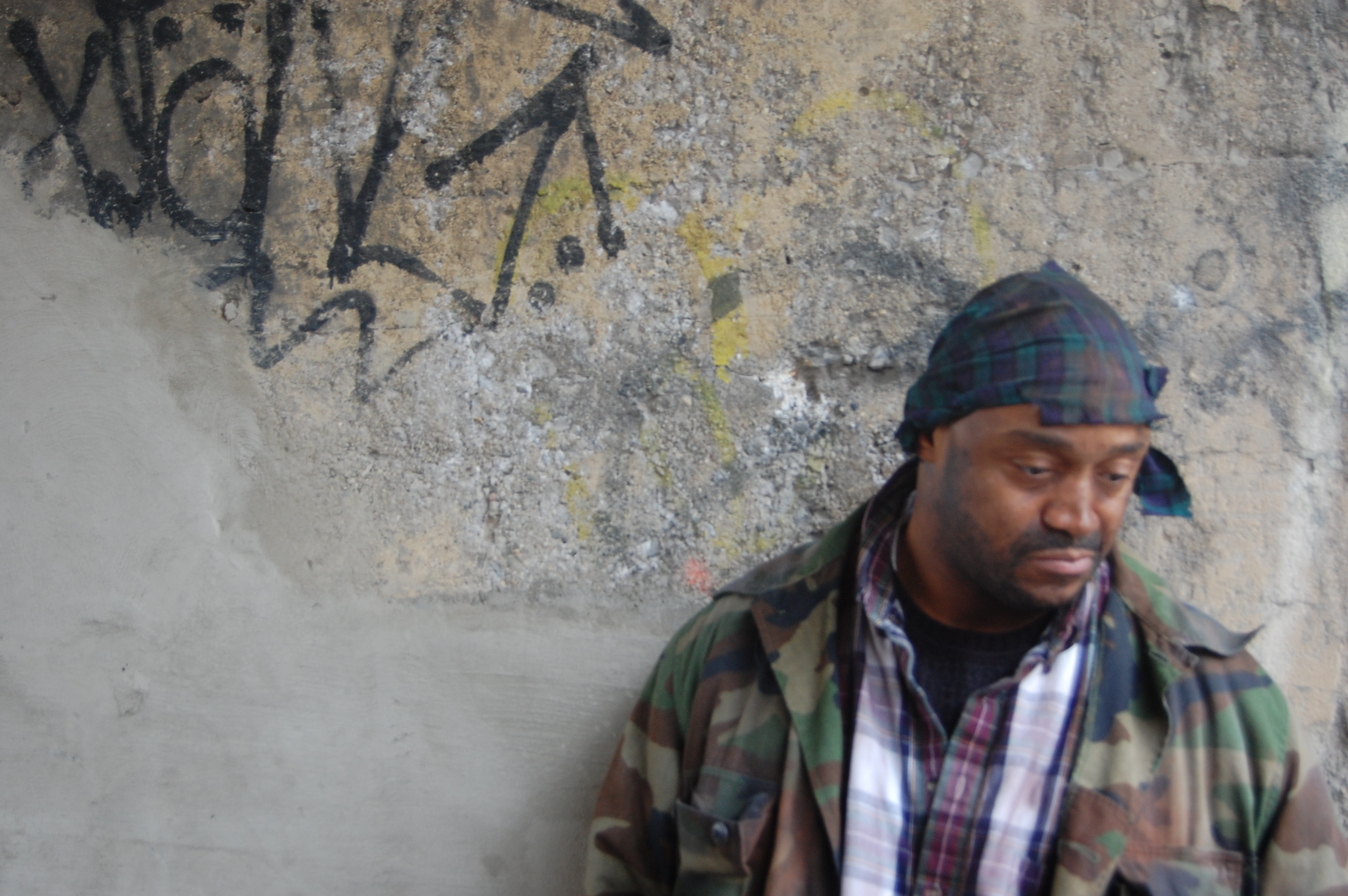
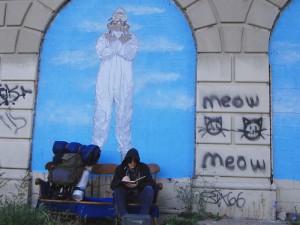 I put off posting about David for a few days because frankly, I’m not quite sure what to say about him. Not because he is some enigma like Joshua, but because he’s such a large — in the sense of generous — person.
 When we talk about an actor’s performance in a film, we usually think about “believability”. People can say someone “nailed” a role or “embodied” a particular character. But the notion of “performance” also means they’re involved with other players, with other members of the cast and crew. Imagine a group of five players and asking just one of them to change a detail — and at the same time, asking the other four to do just what they did, step into the scene or look a particular way, again.